 6145 N Northwest Hwy
Neuropathic pain is a chronic pain condition caused by damage or dysfunction in the nervous system. Instead of normal pain signals, damaged nerves send incorrect signals to the brain, often causing burning, stabbing, tingling, or electric-shock sensations.
Millions of people experience nerve pain due to diabetes, injuries, spinal conditions, or nerve disorders. Proper diagnosis and specialized treatment are essential to manage symptoms and improve quality of life.
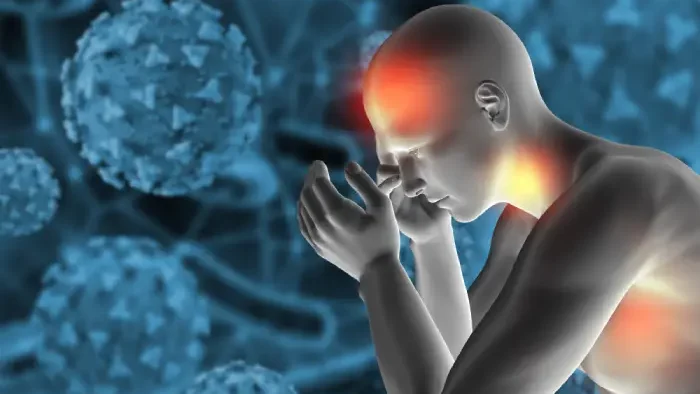
What Is Neuropathic Pain?
Neuropathic pain is pain caused by damage to the nerves or nervous system. Unlike normal pain caused by injury or inflammation, neuropathic pain happens when nerves send faulty signals to the brain, even without a visible injury. This condition can affect any part of the body but most commonly impacts the hands, feet, legs, and back.
What Does Nerve Pain Feel Like?
People with neuropathic pain often describe the sensation differently from normal pain. Common symptoms include:
- Burning pain
- Electric shock-like sensations
- Tingling or “pins and needles”
- Numbness in hands or feet
- Sharp or shooting pain
- Increased sensitivity to touch
Symptoms may be constant or occur in sudden painful episodes.
What Causes Neuropathic Pain?
Neuropathic pain can occur due to several underlying medical conditions that damage or irritate nerves.
- Diabetes: Diabetic neuropathy is one of the most common causes of nerve pain, especially in the legs and feet.
- Nerve Injuries: Accidents, surgeries, or trauma may damage nerves and lead to long-term pain.
- Spinal Conditions: Herniated discs, spinal stenosis, or degenerative disc disease can compress nerves and trigger neuropathic pain.
- Infections and Autoimmune Diseases: Certain infections or immune system disorders may damage nerve fibers and cause chronic nerve pain.
When Should You See a Pain Specialist?
You should consult a pain specialist if nerve pain:
- Lasts longer than several weeks
- Interferes with sleep or daily activities
- Causes persistent numbness or weakness
- Does not improve with basic treatments
Early treatment can prevent symptoms from worsening and improve long-term outcomes.
How Is Neuropathic Pain Diagnosed?
Doctors diagnose neuropathic pain through a combination of medical history, physical examination, and diagnostic tests.
Common evaluation methods include:
- Neurological examination
- Imaging tests such as MRI or CT scans
- Nerve conduction studies
- Pain assessment and symptom evaluation
Identifying the root cause helps determine the most effective treatment plan.
What Treatments Are Available for Neuropathic Pain?
Modern pain management focuses on treating the source of nerve pain rather than simply masking symptoms.
- Spinal Cord Stimulation: A small device sends electrical signals to interrupt pain signals before they reach the brain.
- Radiofrequency Ablation: This minimally invasive procedure uses heat to disrupt pain signals from affected nerves.
- Nerve Blocks and Targeted Injections: Medication is injected near specific nerves to reduce inflammation and relieve pain.
- Intrathecal Pain Pumps: These devices deliver medication directly to the spinal fluid for effective pain control using lower medication doses. Many of these treatments are minimally invasive and performed on an outpatient basis.
Can Neuropathic Pain Be Treated Successfully?
Yes. While neuropathic pain can be chronic, many patients experience significant improvement with the right treatment plan. Effective management often includes:
- Interventional pain procedures
- Medication management
- Physical therapy
- Lifestyle changes
A personalized treatment approach can help reduce pain and improve mobility.
Finding the Right Treatment for Chronic Nerve Pain
Living with neuropathic pain can affect every aspect of daily life, but specialized care can help patients regain comfort and function.
Pain management specialists focus on diagnosing the root cause of nerve pain and offering advanced therapies designed to provide long-term relief. If you are experiencing persistent nerve pain, seeking professional evaluation may help you explore modern treatment options and start your path toward recovery.
Neuropathic pain is a chronic pain condition caused by damage or dysfunction in the nerves, resulting in burning, tingling, or shooting pain sensations.
Common symptoms include burning pain, numbness, tingling sensations, electric shock-like pain, and increased sensitivity to touch.
Treatment options include medications, physical therapy, nerve blocks, spinal cord stimulation, and other advanced pain management procedures.
