 6145 N Northwest Hwy
Back Pain

- Back Pain
What Should I Know About Back Pain?
Back pain is one of the most common medical issues, affecting millions of people at some point in their lives. It can range from a dull ache to sharp, sudden pain, often interfering with daily activities. At the Chicago Institute for Neuropathic Pain (CINP), Dr. Rock and his team specialize in diagnosing and treating all types of back pain, using advanced techniques to help you regain your quality of life.
- Structures and Causes
The Anatomy of Back Pain: Key Structures and Causes
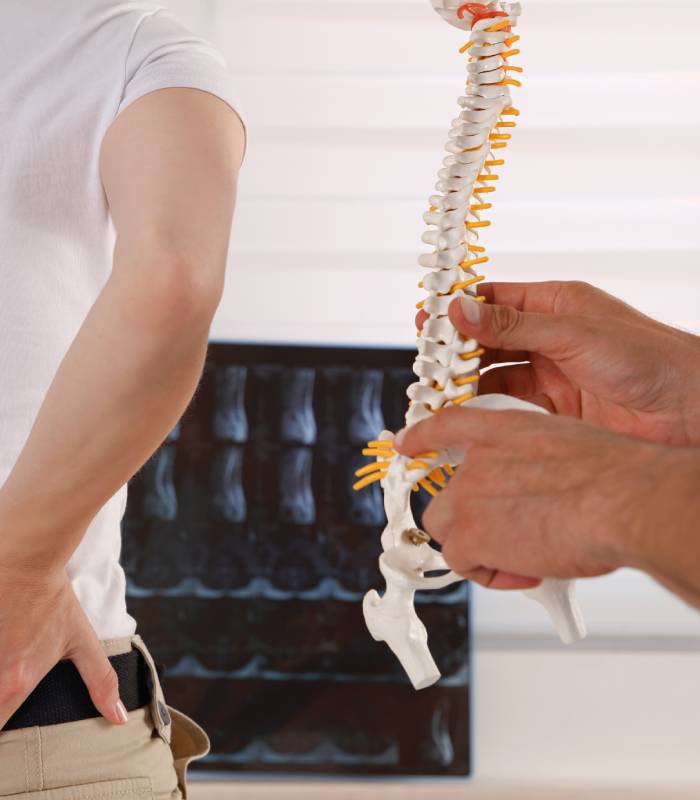
Back pain can stem from various structures within the spine, including:
- Vertebrae: Small bones stacked on top of each other to protect the spinal cord.
- Spinal Cord: Nerves running down the back
- Intervertebral Discs: Cushion-like pads between vertebrae
- Ligaments & Tendons: Tissue connecting bones and muscles.
- Muscles: Fibers supporting the spine and aiding movement.
In addition, diagnostic imaging techniques such as CT scans, MRIs, and X-rays may be used to identify any underlying causes contributing to your chronic pain.
- Back Pain Origins
Causes of Back Pain
Back pain can arise from a variety of causes, and it’s essential to understand what may be triggering it. Some common causes include:
- Injuries: Such as sprains, strains, or fractures to the muscles, ligaments, or bones.
- Degenerative changes: Conditions like arthritis or degenerative disc disease that affect the spine.
- Herniated discs: When the cushioning discs between vertebrae rupture, causing nerve pain.
- Spinal stenosis: A narrowing of the spinal canal that compresses nerves.
- Muscle tension: Due to stress or poor posture.
Dealing With Injuries And Pain?
Schedule an appointment with our pain specialists today!
New patients are typically seen the same day or the next business day.
- Who's at Risk
Who Gets Back Pain?
- Age: Back pain becomes more common with age, particularly after 45.
- Fitness level: People who are less physically fit and lack core strength are more prone to back pain.
- Weight gain: Extra weight places additional strain on the spine.
- Job-related risks: Jobs involving heavy lifting, repetitive movements, or long hours of sitting can contribute to back pain.
- Stress and mental health: Chronic stress, anxiety, or depression can worsen back pain, leading to more frequent and severe episodes.
Types of Back Pain
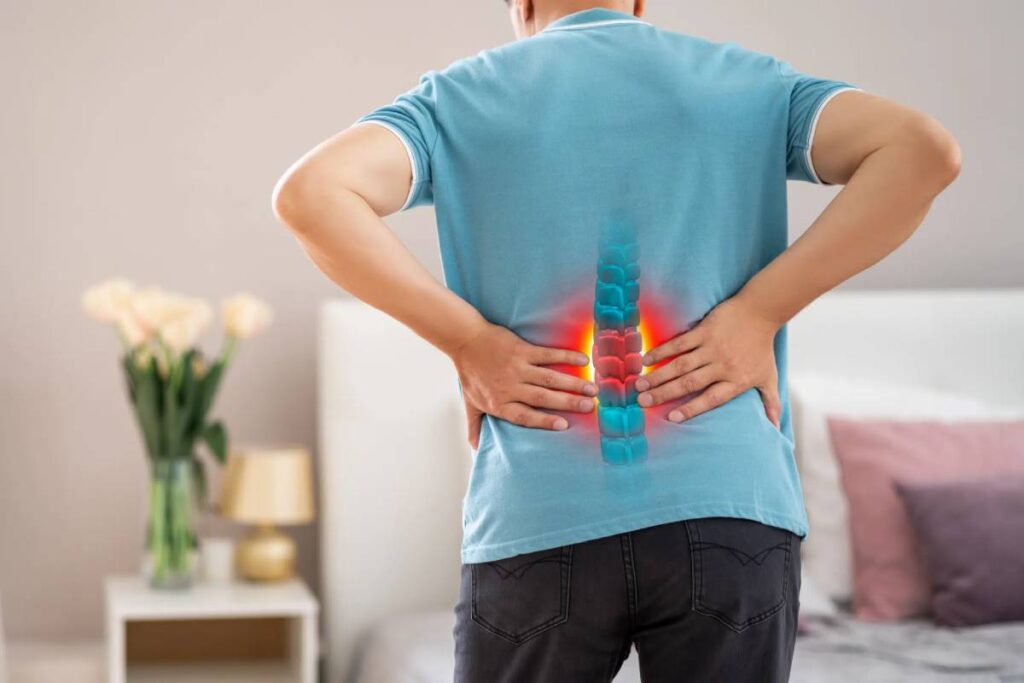
Back pain can be classified into three types
- Acute pain: Lasts a few days to weeks.
- Acute pain: Lasts from a few days to weeks.
- Subacute pain: Lasts 4 to 12 weeks.
- Subacute pain: Lasts from 4 to 12 weeks.
- Chronic pain: Persists for more than 12 weeks.
- Chronic pain: Persists for more than 12 weeks.

- Symptoms
Symptoms of Back Pain
Back pain symptoms can vary widely and may include:
- Dull or sharp pain: Localized to a specific area or radiating to other parts of the body.
- Stiffness: Difficulty moving or straightening the back.
- Numbness or tingling: Especially in the legs or feet.
- Muscle spasms: Involuntary contractions of muscles in the lower back.
- Seek Medical Help
When Should You See a Doctor?
- Lasts more than a few weeks
- Includes numbness or tingling
- Is accompanied by fever or unintended weight loss
- Follows an injury or fall
How is Back Pain Diagnosed?
- Medical history and physical exam: Understanding your symptoms and medical background.
- Imaging tests: Such as X-rays, MRIs, or CT scans to identify structural issues.
- Nerve and muscle function tests: Like electromyography (EMG) to assess nerve damage.
- Blood and urine tests: To rule out other potential causes of pain. For an accurate diagnosis and personalized treatment, schedule a consultation with Dr. Rock at CINP.
Treatment Options for Back Pain in Chicago
- Medications: Pain relievers, anti-inflammatory drugs, and muscle relaxants.
- Physical Therapy: Strengthening exercises to improve core stability and flexibility.
- Injections: Such as epidural steroid injections to reduce inflammation and pain.
- Minimally Invasive Surgery: For severe cases where other treatments have failed. At CINP, we tailor each treatment plan to the individual, ensuring the best possible outcomes.
If you’re struggling with back pain, don’t wait—schedule a consultation with Dr. Rock today and find the relief you deserve

- FAQs
Frequently Asked Questions
Yes, mild back pain can improve with rest and self-care, but if the pain persists, medical attention may be needed.
To reduce your risk of back pain, maintain a healthy weight, strengthen your core muscles, and practice good posture.
If your pain persists for more than a few weeks, or if you experience numbness, weakness, or other concerning symptoms, schedule a consultation at the Chicago Institute for Neuropathic Pain.
Treatment options for chronic back pain include medications, physical therapy, injections, and, in some cases, surgery.
Yes, physical therapy can help strengthen muscles, improve posture, and reduce pain.
Seek immediate medical help if you have trouble controlling your bladder or bowels, experience numbness, or sudden weakness in your legs.
No, surgery is typically a last resort and is only recommended when conservative treatments fail to provide relief.
Recovery time varies depending on the cause and severity of the pain. At CINP, we will guide you through a personalized treatment plan for the best recovery.
