6145 N Northwest Hwy
Inspan Procedure
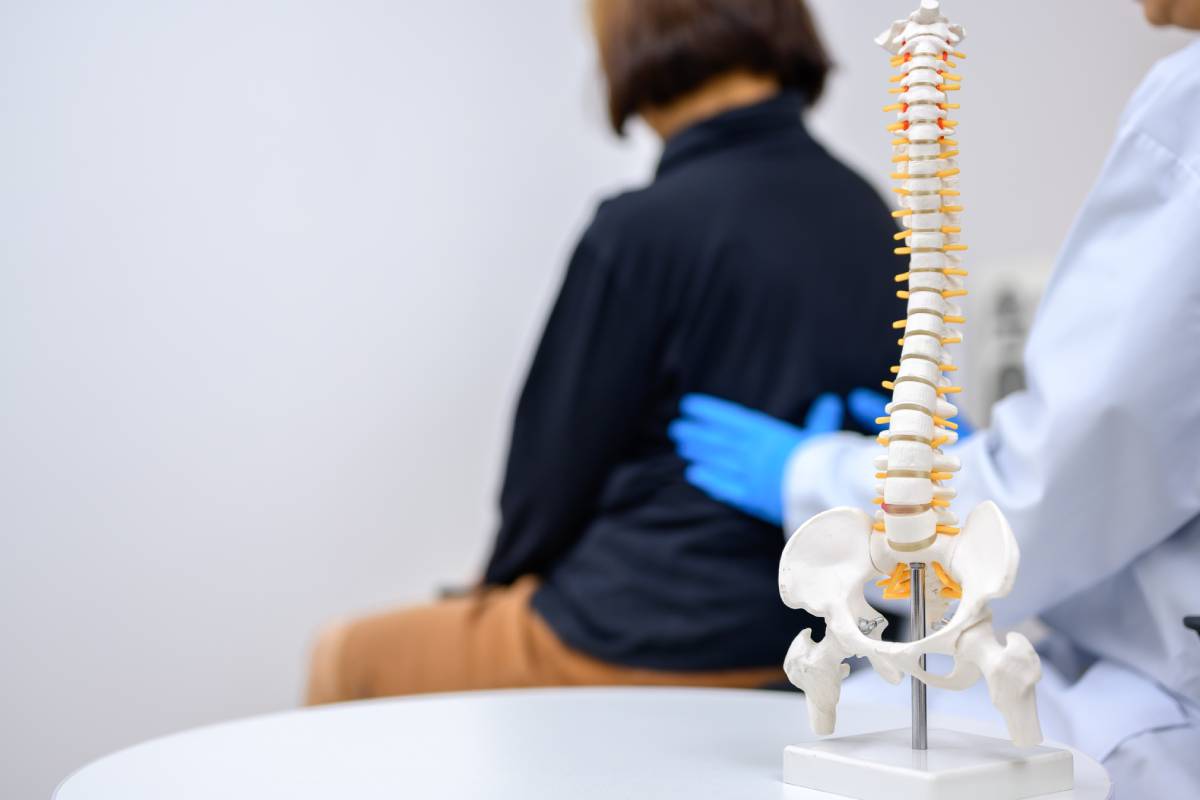
The Inspan Procedure is a minimally invasive spinal fusion technique that stabilizes the spine while maintaining flexibility. It is particularly effective for patients experiencing spinal instability, stenosis, or degenerative disc disease. This procedure enhances spinal support while minimizing surgical trauma.

Sacroiliac Joint Fusion (Sacrix SIJ Fusion)
Sacrix SIJ Fusion is designed for patients suffering from chronic sacroiliac joint dysfunction or instability. Using advanced minimally invasive techniques, this procedure helps restore stability and significantly reduces pain, allowing patients to regain their normal activities quickly.

Vertiflex Superion Procedure
The Vertiflex Superion procedure is a minimally invasive solution for patients suffering from lumbar spinal stenosis. It provides spinal decompression by placing an implant between the vertebrae, creating space for nerves and relieving pressure. This outpatient procedure offers a significant reduction in pain while preserving mobility.

ZIP Procedure
The ZIP Procedure is a revolutionary approach to spinal stabilization that requires no screws or rods. Designed for patients with degenerative spine conditions, this procedure provides immediate stability, reduces pain, and promotes faster recovery compared to traditional fusion surgeries.