 6145 N Northwest Hwy
Sports Injuries
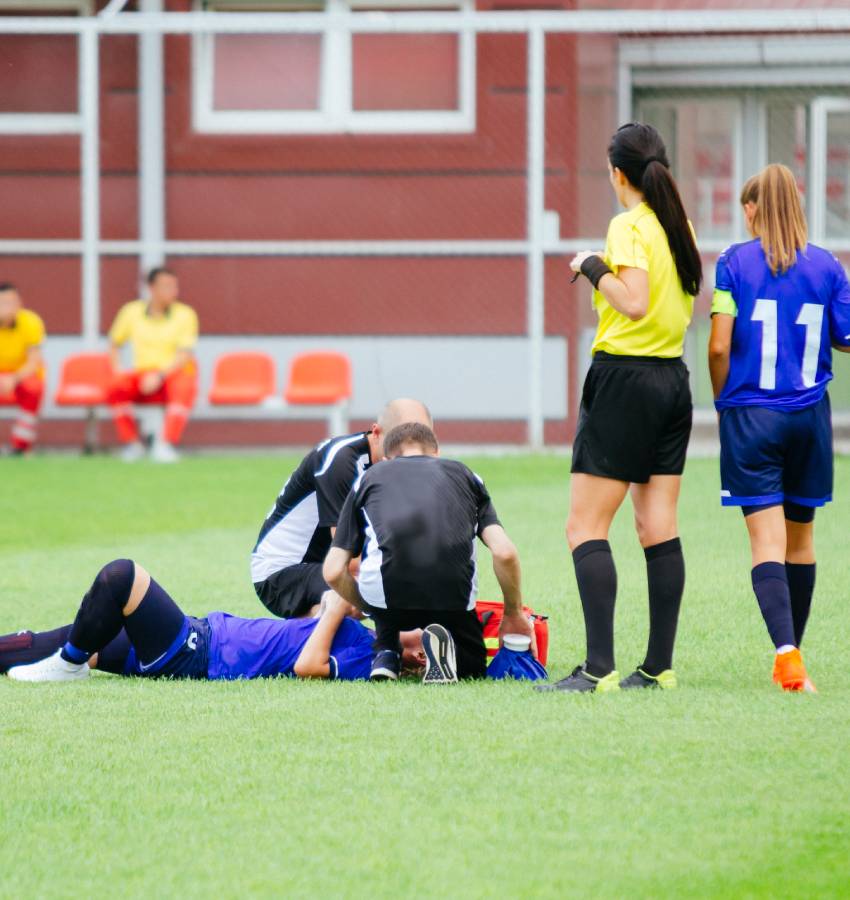
- Treating Sports Injuries
Get Back in the Game
Sports injuries are common among athletes, but they don’t have to keep you off the field. At Chicago Neuro Pain (CINP), our expert sports medicine team in Madison, WI, provides specialized care to help you recover quickly and safely. Whether you’re a competitive athlete or simply staying active, CINP is here to help you return to the game stronger than ever.
What is a Sports Injury?
A sports injury refers to damage sustained by the body during physical activity. These injuries can be acute, occurring suddenly, or chronic, developing over time due to overuse or improper technique. They can affect muscles, tendons, ligaments, and bones, requiring proper care and management to ensure a full recovery.
- Symptoms
Sports Medicine
Common Causes of Sports Injuries
- Are not in good physical condition.
- Skip warm-ups and cool-downs.
- Participate in high-impact contact sports.
- Use improper equipment or techniques.
Don’t Let a Sports Injury Slow You Down
- Injury Types
Common Sports Injuries
Runner’s Knee
Common among runners, cyclists, and athletes, this injury involves irritation around the kneecap due to overuse.
Knee Ligament Injuries
Frequent in sports like football, these injuries affect ligaments such as the ACL, MCL, and PCL.
Shoulder Injuries
Overuse during activities like tennis and swimming can loosen the rotator cuff, leading to pain and limited movement.
Ankle Sprains
Jumping and quick directional changes can cause ankle twists, damaging tendons or ligaments.
Tennis/Golfer’s Elbow
Overuse of elbow tendons causes pain on either the outer or inner elbow, commonly seen in racket sports or golf.
Shin Splints
Characterized by pain along the shin, this is common in runners who rapidly increase their activity levels.
Groin Sprain
Sudden movements can strain the adductor muscles, causing sharp pain in the thigh area.
Hamstring Sprain
Improper warm-ups or muscle fatigue can lead to hamstring injuries, affecting the muscles behind your thighs.

- Tips to Reduce the Risk
How to Reduce the Risk of Sports Injuries
- Choose the Right Gear: Use proper shoes and insoles.
- Stretch and Strengthen: Warm-up, cool-down, and focus on muscle strength before engaging in sports.
- Listen to Your Body: Rest when fatigued, and don’t push through pain.
- Mix Up Your Routine: Incorporate flexibility and strength training into your workout routine.
- Pain Relief Option
How to Reduce the Risk of Sports Injuries
Medicines/Pharmacotherapy
Braces
Braces are used to stabilize injured joints like knees, elbows, and ankles. By limiting movement, they reduce stress on the injured area, which helps relieve pain and promotes faster healing. Braces are commonly recommended for conditions such as sprains, strains, or ligament injuries.
Injections
Intralesional injections, often containing corticosteroids, and other pain-relieving medications, are administered directly into the injured area. These injections help alleviate pain when oral medications are insufficient. They are often combined with physical therapy to enhance long-term recovery.
Platelet-Rich Plasma (PRP) Therapy
Faster, Stronger Recovery Starts Here
- FAQs
FAQs About Neck Pain
Recovery time depends on the severity of the injury and the type of treatment. Mild strains may heal in weeks, while severe injuries may require months of rehabilitation.
If you experience severe pain, swelling, or difficulty moving a joint, seek medical attention. CINP offers expert diagnosis and treatment to prevent further damage.
Yes, by wearing proper gear, warming up, strengthening muscles, and listening to your body, you can reduce the risk of injury.
PRP Therapy involves injecting platelet-rich plasma from your blood into injured tissues to stimulate healing, particularly useful for tendon and ligament injuries.
Yes, braces can help immobilize injured areas, reducing pain and allowing the injury to heal faster.
