 6145 N Northwest Hwy
Knee Pain
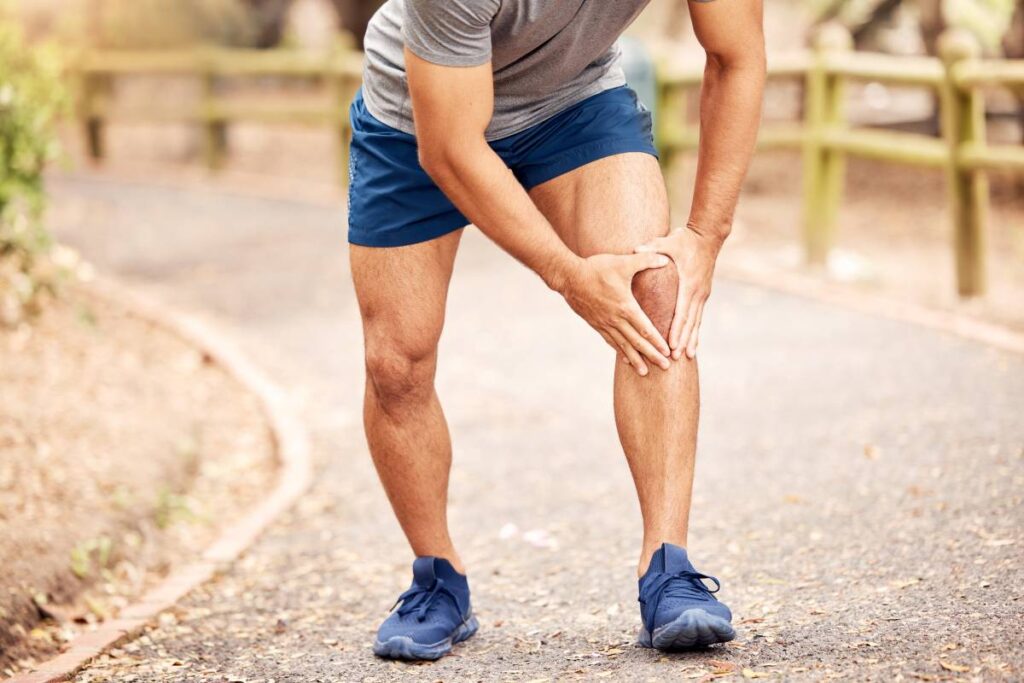
- Pain
Alleviate Knee Pain and Regain Your Mobility
Knee pain can be a significant obstacle in daily life, hindering your ability to enjoy activities and perform routine tasks. At the Chicago Institute for Neuropathic Pain (CINP), we understand how knee discomfort—whether from an acute injury or a chronic condition—can impact your quality of life. Our expert team, led by Dr. Rock, specializes in diagnosing and treating knee pain, ensuring you receive the most effective care to restore your mobility and well-being.
- Pain Relief Options
What Is Knee Pain?
- Close to the surface above or behind your knee: Usually an issue with muscles, tendons, or ligaments.
- Deeper inside your knee: Pain that comes from bones or cartilage.
- In multiple parts of your knee or leg: Pain can sometimes spread (radiate) to other areas, such as your lower leg or thigh.
Get expert pain treatment for your knee pain at CINP
- Medical Conditions
Conditions That Cause Knee Pain
Knee pain can be caused by various medical conditions, injuries, or overuse. Conditions such as arthritis, tendinitis, and bursitis can lead to chronic knee pain, while injuries like ligament tears or meniscus damage can cause acute pain. Our pain experts specialize in identifying and treating these conditions to alleviate pain and restore knee function.
Medical Conditions for Knee Pain
- Arthritis: Including osteoarthritis, rheumatoid arthritis, and post-traumatic arthritis.
- Tendinitis: Inflammation of the tendons due to overuse.
- Bursitis: Inflammation of the bursae, which are fluid-filled sacs that cushion your knee joint.

- Causes
Causes of Knee Pain
Knee pain can result from overuse, injuries, or medical conditions. Overuse from physical activities, aging, arthritis, and obesity are among the most common causes. Injuries such as sprains, ligament tears, and fractures can also lead to knee pain. Identifying the underlying cause is crucial for effective treatment.
- Overuse: Repetitive activities that strain the knee joint, such as running or jumping.
- Arthritis: Conditions like osteoarthritis and rheumatoid arthritis that cause inflammation and pain.
- Injuries: Acute injuries such as ligament tears, meniscus tears, and fractures.
- Tendinitis: Inflammation of the tendons, often due to overuse.
- Obesity: Excess weight can place additional stress on the knee joints, leading to pain.
What Does Knee Pain Feel Like?
Knee pain can vary in intensity and location:
- Axial Knee Pain: Felt mostly in the knee joint itself.
- Radicular Knee Pain: Pain that radiates to other areas, such as the thigh or lower leg.
- Acute Pain: Lasting from days to six weeks.
- Chronic Pain: Persisting for more than three months.
Symptoms of Knee Pain
Knee pain symptoms may include:
- Stiffness and reduced flexibility in the knee joint.
- Crunching sensations or popping sounds when bending or straightening the leg.
- Swelling and redness around the knee joint, often accompanied by warmth.
- Difficulty bearing weight on the affected knee.
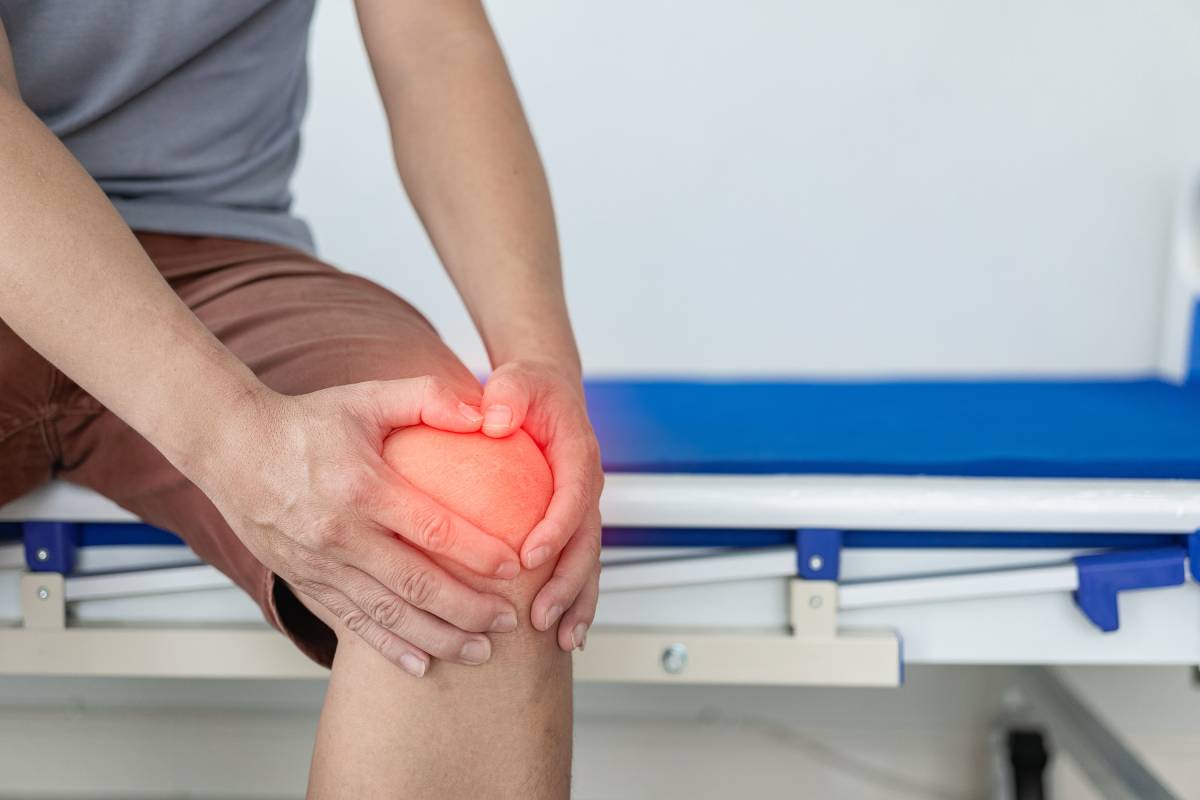
How Is Knee Pain Diagnosed?
- X-rays: To detect bone fractures and joint alignment issues.
- MRI: To assess soft tissue damage, such as ligament tears.
- CT Scans: For detailed imaging of bones and joints of bones and joints.
- Ultrasound: To evaluate soft tissues around the knee.
Treatment Options for Knee Pain
- Medications: NSAIDs or other pain relievers to manage symptoms.
- Physical Therapy: Exercises to strengthen the knee and improve mobility.
- Injections: Corticosteroid injections to reduce inflammation.
- Surgery: Minimally invasive procedures for severe cases, including arthroscopy and knee replacement.
For an accurate knee pain diagnosis, visit CINP – the best pain clinic near you

- Specialist
When to See a Knee Pain Specialist
You should consider seeing a knee pain specialist if you:
- Cannot bear weight on your knee.
- Experience severe pain, even when not bearing weight.
- Notice swelling, instability, or deformity in your knee.
- Have a fever or redness around the knee.
- FAQs
FAQs About Knee Pain
Overuse, arthritis, and injuries are the leading causes of knee pain.
Maintaining a healthy weight, staying active with low-impact exercises, and avoiding repetitive stress on your knees can help prevent knee pain.
CINP offers a range of treatments, including medications, physical therapy, injections, and surgery, tailored to the severity and cause of your knee pain.
If you experience severe pain, swelling, or instability, or if the pain persists despite home treatment, it’s time to see a doctor.
Yes, many cases of knee pain can be treated with non-surgical methods such as physical therapy, medications, and injections.
Dr. Rock will perform a comprehensive evaluation, including physical exams and imaging tests, to determine the cause of your knee pain.
Recovery time varies, but CINP will provide a personalized recovery plan to help you regain mobility as quickly as possible.
Yes, knee pain can recur, especially if the underlying cause isn’t addressed. Ongoing care and lifestyle adjustments can help manage this risk.
