 6145 N Northwest Hwy
Spinal Cord Stimulation
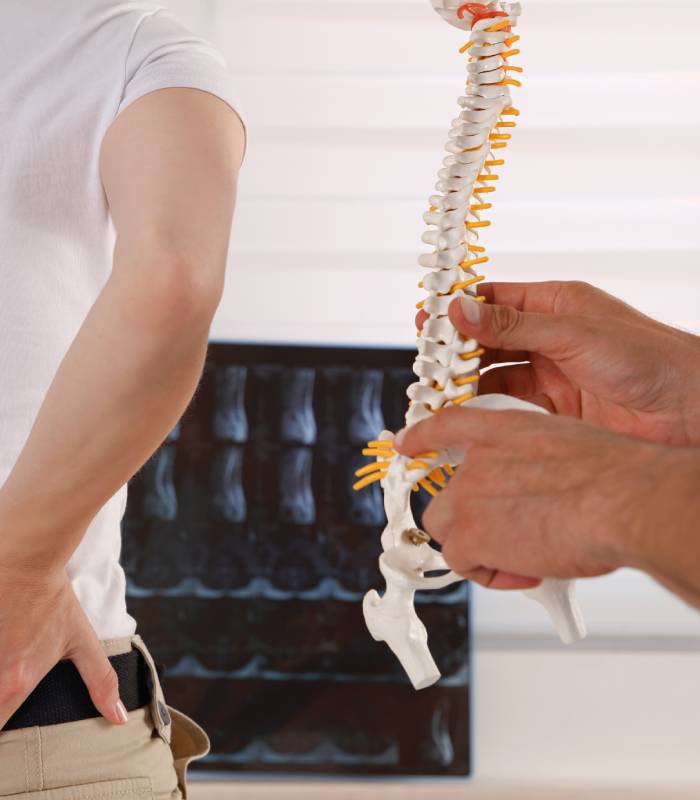
- Spinal Cord
What Is Spinal Cord Stimulation?
Spinal cord stimulation is a pain treatment that uses tailored electrical fields to block nerves from transmitting pain impulses up the spinal cord to the brain. Also known as neurostimulation, this method involves placing small wires with electrodes in the epidural space.
The precise placement of these electrodes, combined with the appropriate type of electrical field, is crucial for success. The wires are connected to a small, pacemaker-like device called an implantable pulse generator (IPG), which is implanted in the flank or buttock and powered by a rechargeable battery. The battery is charged externally through the skin.
The IPG is infinitely reprogrammable via a wireless interface, allowing continuous adjustments to settings to accommodate changes in the patient’s pain patterns.
- Treatment Goals
Why Is It Done?
Spinal cord stimulation is used to manage chronic pain that has not responded to other treatments. It helps reduce the need for opioid medications and enhances the quality of life for patients with chronic pain conditions.
- Complex regional pain syndrome
- Treatment of refractory angina
- Chronic inoperable limb ischemia
- Painful diabetic neuropathy
- Leg-dominant failed-back surgery syndrome
Request Your Appointment and Start Feeling Better


- Trial and Implantation
Spinal Cord Stimulation
Trial:
Before permanent implantation, a trial period is conducted in which temporary electrodes are placed to valuate the effectiveness of spinal cord stimulation (SCS). This trial lasts one to two weeks, allowing patients to experience potential pain relief before committing to the permanent device.
Implantation:
If the trial is successful, the permanent IPG device is implanted. The procedure involves placing electrodes in the epidural space and connecting them to the IPG, which is typically placed in the flank or buttock.
How Does Spinal Cord Stimulation Work?
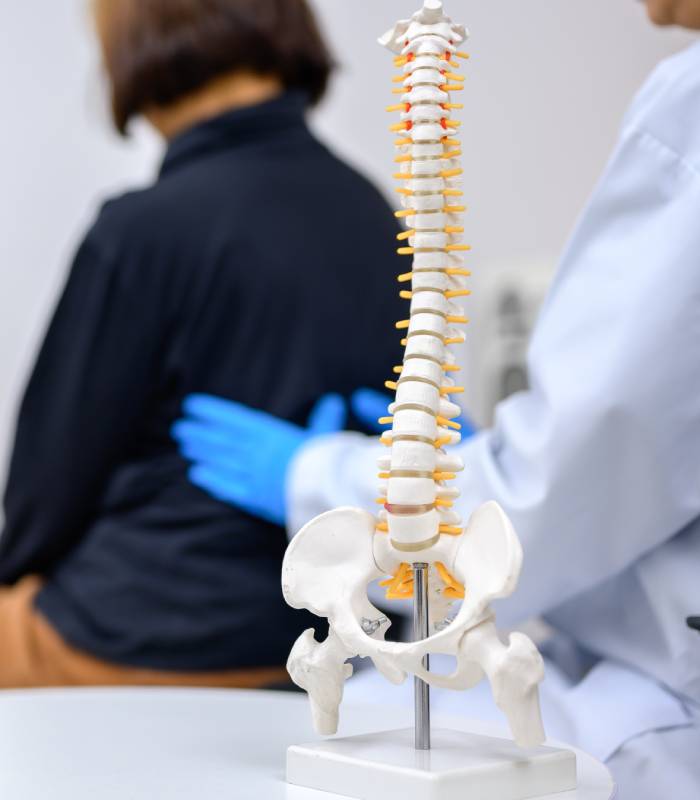
The spinal cord ends at the L1 vertebral body level and is located inside the membrane that contains spinal fluid (the dura). Most spinal cord stimulator leads are inserted below L1 and threaded up through the space in the spine outside the dura (the epidural space). This makes the procedure very safe and highly unlikely to damage underlying nerves or the spinal cord.
Over time, some patients may develop resistance to the stimulation, similar to how the body adapts to medication. If this occurs, the implant can be easily removed without damaging the structures of the spine.
Newer spinal cord stimulators are being designed to absorb MRI energy, making them MRI-compatible. These stimulators can only withstand lower-energy MRI scanners with a magnetic field strength of 1.5 Tesla or less. As technology advances, these devices are becoming safer and more effective at managing pain impulses in the spinal cord.
- Benefits
Recovery and Outlook
Need Tailored Recovery Advice? Make Your Appointment Today!
- FAQs
Frequently Asked Questions
Spinal cord stimulation has a high success rate, with many patients experiencing significant pain relief and an improved quality of life.
The procedure typically takes about one to two hours, depending on the complexity and the number of electrodes implanted.
As with any medical procedure, there are risks, including infection, bleeding and equipment malfunction, however these are relatively rare.
Yes, the IPG can be wirelessly reprogrammed to adjust the electrical stimulation according to the patient’s changing pain patterns.
Many insurance plans cover spinal cord stimulation for chronic pain management, but it is important to check with your provider for specific coverage details.
