 6145 N Northwest Hwy
Joint Pain
- Types of Joint Pain
What Is Joint Pain?
Surface Pain
Felt above or behind the knee, often due to issues with muscles, tendons, or ligaments.
Deep Joint Pain
Originates from the bones or cartilage, causing more intense discomfort.
Radiating Pain
Pain that spreads from one part of the joint to other areas, such as from the knee to the lower leg or thigh.
- Pain Causes
Conditions That Cause Joint Pain
Medical Conditions That Cause Joint Pain
- Osteoarthritis: Degenerative joint disease that causes cartilage breakdown.
- Rheumatoid Arthritis: Autoimmune disorder that leads to joint inflammation.
- Gout: Painful inflammation caused by uric acid crystallization in the joints.
- Bursitis: Inflammation of fluid-filled sacs that cushion the joints.
- Tendinitis: Inflammation of tendons caused by repetitive use or strain.

Schedule a Consultation With Us Today
Effective, Personalized Care for Joint Pain Starts Here.
Causes of Joint Pain
Joint pain can result from various causes, including injuries, infections, or chronic conditions like arthritis. It can be due to:
- Injury: Sprains, strains, or fractures can damage the joint or surrounding tissues.
- Arthritis: Conditions like osteoarthritis, rheumatoid arthritis, and gout cause joint pain.
- Overuse: Repetitive movements causing conditions like tendinitis and bursitis.
- Infection: Joint pain resulting from infections, such as septic arthritis.
How Does Joint Pain Feel?
- Aching: A persistent, dull discomfort in the joint.
- Stiffness: Difficulty moving the joint, especially after periods of inactivity or in the morning.
- Swelling: Puffiness around the joint, often accompanied by warmth and tenderness.
- Sharp Pain: Sudden, intense pain triggered by movement.

- Joint Discomfort
Symptoms of Joint Pain
- Swelling
- Stiffness or limited range of motion
- Redness and warmth around the joint
- Pain during movement
- Difficulty bending or straightening the joint
Accurate Diagnosis is the First Step to Relief
- Diagnosis Overview
How Is Joint Pain Diagnosed?
- Medical History: Reviewing any previous injuries or conditions.
- Physical Examination: Checking for swelling, redness, and range of motion.
- Imaging Tests: X-rays, MRIs, or CT scans to visualize the joint.
- Lab Tests: Blood tests to identify conditions like rheumatoid arthritis or infections.
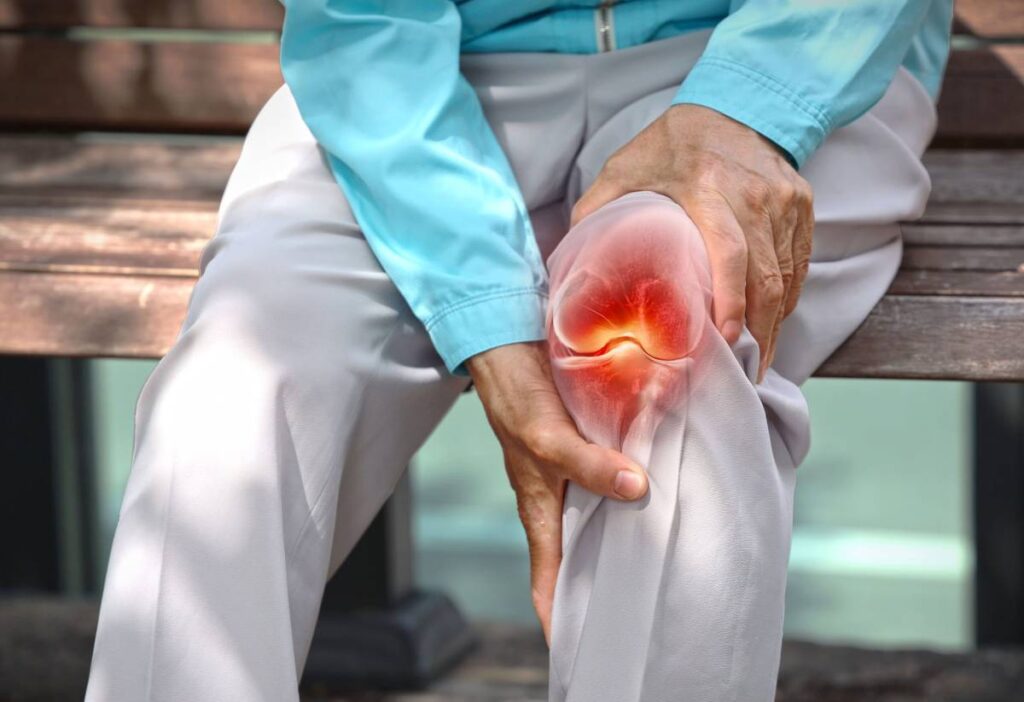
- Restore Joint
Restore Joint Health and Reclaim Your Active Life
- Active Living
Restore Joint Health and Reclaim Your Active Life
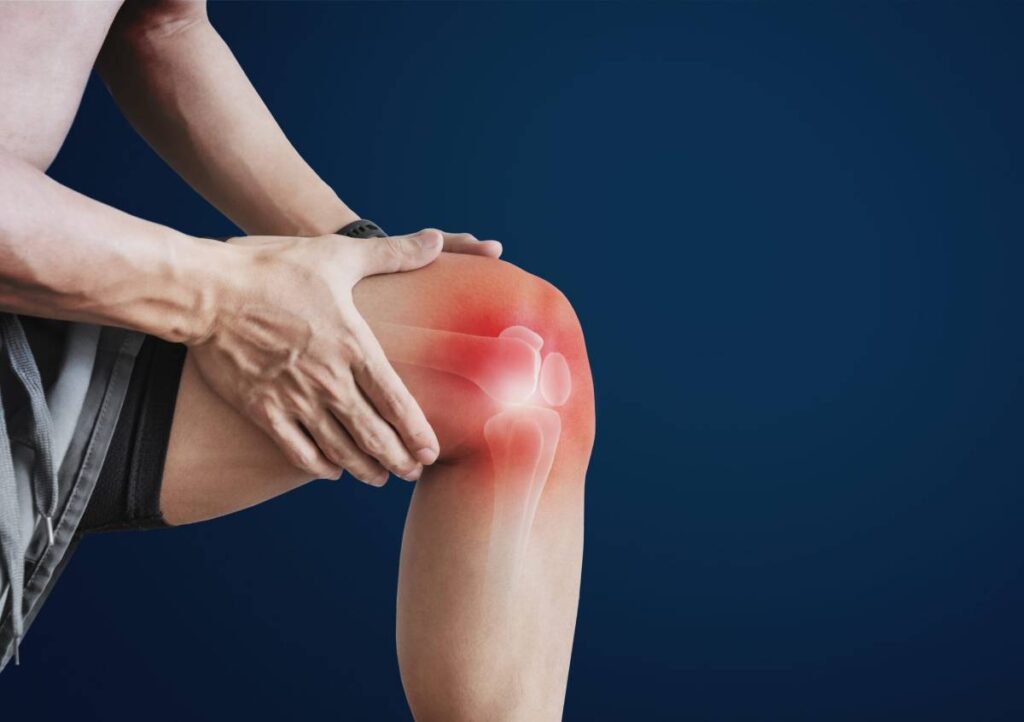
If You're Experiencing These Symptoms
- Joint Pain Treatments
Effective Joint Pain Treatment Options
- Exercise: Strengthens joints and improves mobility through guided movements.
- Medication: Includes NSAIDs, acetaminophen, or prescribed pain relievers.
- Physical Therapy: Utilizes specialized techniques to restore joint function.
- Injections: Corticosteroid or hyaluronic acid injections to reduce pain and inflammation.
- Surgery: Options such as joint repair, joint replacement, or fusion surgery for severe cases.

- Joint Pain Signs
When to See a Joint Pain Specialist
- Pain is accompanied by a fever
- You have unexplained weight loss
- Pain prevents you from walking normally
- The joint is visibly deformed or swollen
- FAQs
Frequently Asked Questions
Joint pain can result from injuries, arthritis, overuse, or infections, affecting mobility and daily activities.
Consult a doctor if your joint pain is persistent, severe, or accompanied by swelling, fever, or unexplained weight loss.
Yes, many cases of joint pain can be effectively managed with exercise, medication, and physical therapy, without the need for surgery.
If left untreated, joint pain can lead to decreased mobility, chronic discomfort, and potential joint deformity.
Expect a comprehensive evaluation at CINP, including medical history review, physical examination, and possible imaging tests to determine the cause of your pain.
Excess weight adds stress to weight-bearing joints like the knees and hips, increasing pain and the risk of joint damage.
Yes, maintaining a healthy weight, engaging in low-impact exercises, and avoiding joint overuse can help manage pain effectively.
