 6145 N Northwest Hwy
Pelvic Pain
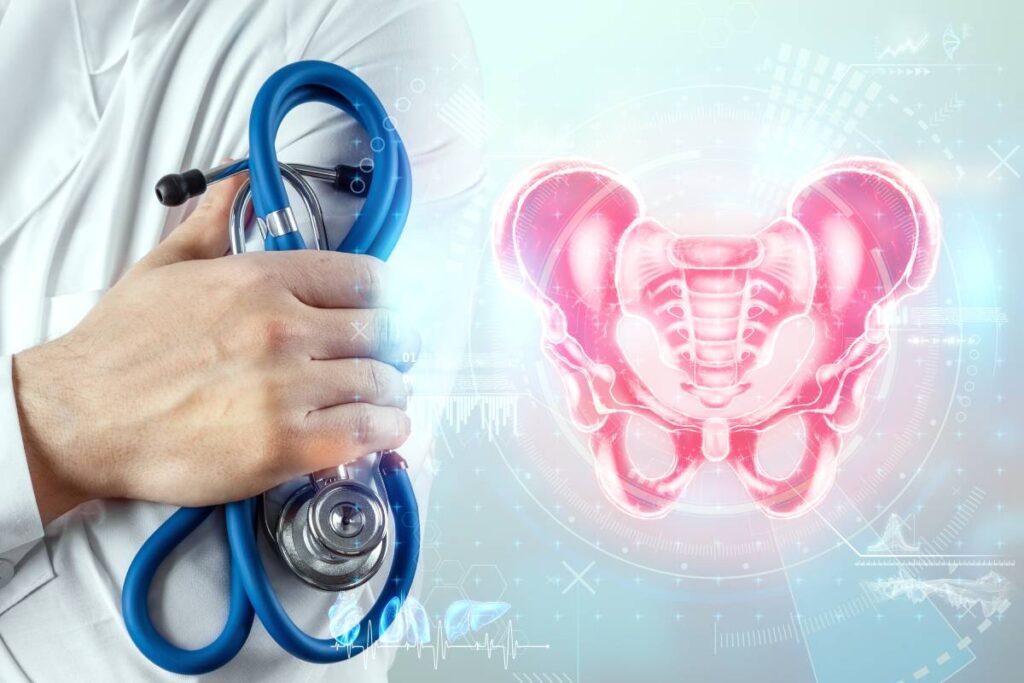
- Pain
Managing Pelvic Pain : Expert Care for Long -Lasting Relief
- Pain Relief Option
What Is Pelvic Pain?
- Causes
Causes of Pelvic Pain
- Urinary System Disorders: UTIs, kidney stones, and bladder infections are common causes.
- Reproductive Health Issues: In women, conditions like endometriosis, ovarian cysts, and uterine fibroids can cause discomfort. In men, prostatitis or testicular disorders are typical culprits.
- Gastrointestinal Problems: Conditions such as irritable bowel syndrome (IBS), constipation, or diverticulitis can lead to persistent pelvic pain.
- Infections: Sexually transmitted infections (STIs) and appendicitis can cause significant discomfort.
- Musculoskeletal Issues: Injuries or issues with muscles and ligaments in the pelvic area can trigger pain.
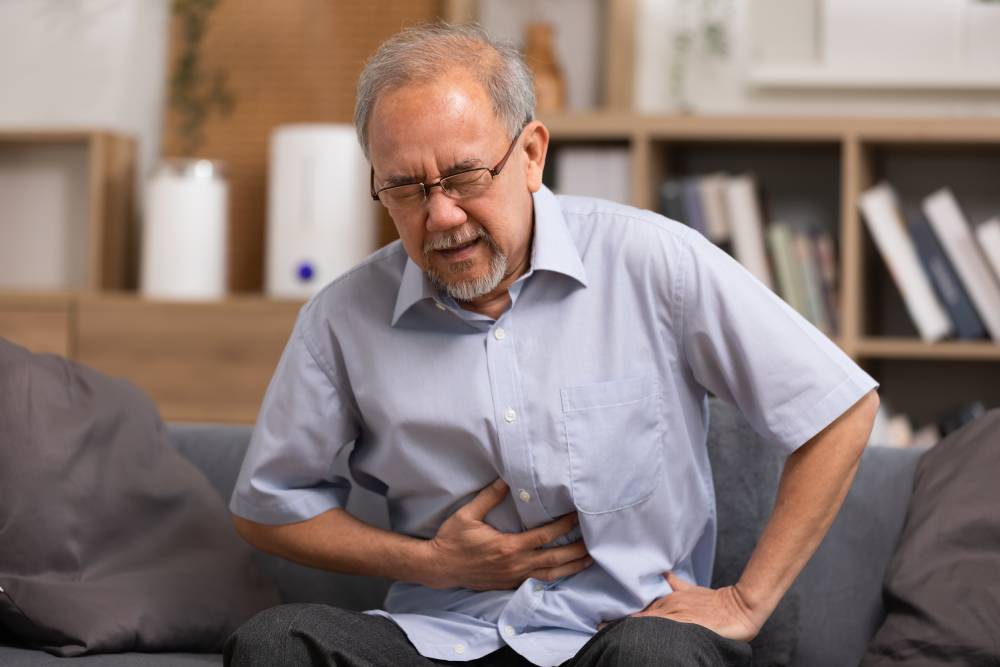
Get an accurate diagnosis for your pelvic pain at CINP and start your journey to lasting relief today
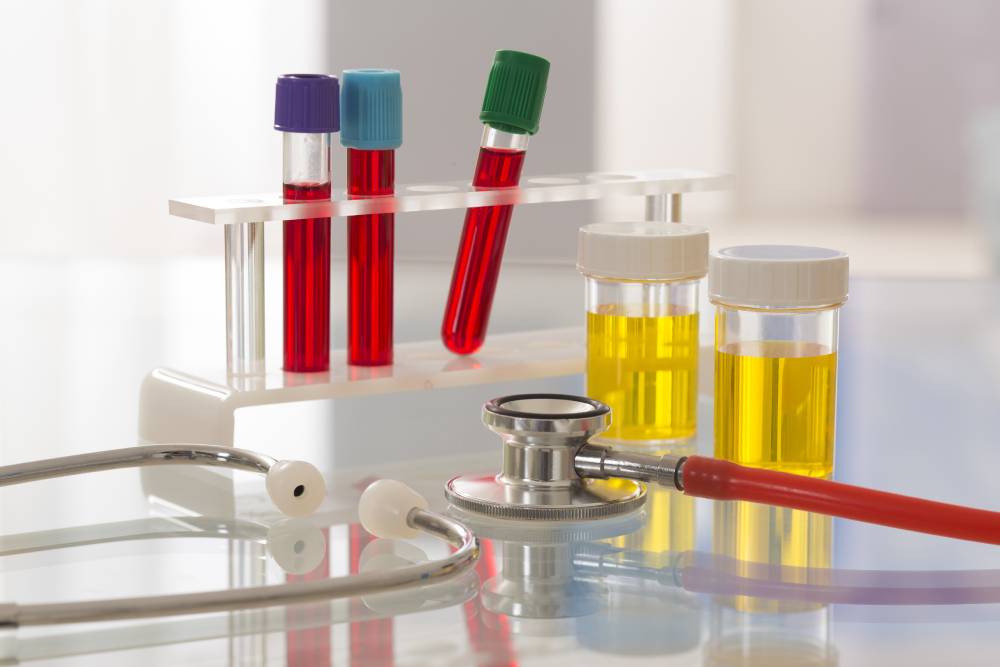
- Diagnosed
How Pelvic Pain Is Diagnosed
- Physical Exams: Assessing symptoms like tenderness and inflammation.
- Ultrasound & Imaging: Visualizing internal organs to identify cysts, abnormalities, or structural issues.
- Blood and Urine Tests: Detecting infections, hormonal imbalances, or underlying conditions.
- CT and MRI Scans: Providing detailed images to diagnose conditions such as appendicitis or endometriosis.
- Laparoscopy: A minimally invasive procedure for direct visualization of the pelvic area, offering precise diagnostic insights.
- Treatment Options
Treatment Options for Pelvic Pain
The best treatment depends on the underlying cause. Common options include:
- Medications : Antibiotics for infections, pain relievers, or hormone therapy for reproductive-related conditions.
- Physical Therapy : Strengthening pelvic muscles to relieve pain caused by musculoskeletal issues.
- Surgery : Necessary in severe cases, such as fibroids, ovarian cysts, or other structural concerns.
- Lifestyle Modifications : Diet, exercise, and stress management to help alleviate symptoms related to digestive or urinary conditions.
Don’t let pelvic pain control your life—schedule a consultation today
When to Seek Help
- FAQs
FAQs About Pelvic Pain
Common causes of pelvic pain in women include endometriosis, ovarian cysts, fibroids, and other reproductive health conditions.
Yes, pelvic pain can indicate serious conditions such as appendicitis, sexually transmitted infections (STIs), or even certain types of cancer.
Pelvic pain is diagnosed through a combination of physical exams, imaging tests (such as ultrasound or MRI), and laboratory tests to identify underlying causes.
Yes, many cases of pelvic pain can be managed with medications, physical therapy, or lifestyle changes. However, surgery may be necessary for severe conditions like fibroids or ovarian cysts.
Yes, men can experience pelvic pain due to conditions such as prostatitis, hernias, or bladder disorders.
Acute pelvic pain may last for a short time, while chronic pelvic pain can persist for six months or longer.
Regular exercise, a balanced diet, and effective stress management can help alleviate pelvic pain symptoms.
See a doctor if pelvic pain persists, interferes with daily activities, or is accompanied by symptoms like fever.
