 6145 N Northwest Hwy

Say Goodbye to Chronic Pain: How Intrathecal Pumps Deliver Targeted Relief
Living with chronic pain or muscle spasticity can make even simple daily tasks feel overwhelming. While oral medications help many, […]
Living with chronic pain or muscle spasticity can make even simple daily tasks feel overwhelming. While oral medications help many, […]

What Is Fibromyalgia? Fibromyalgia is a chronic, often invisible condition that affects how your nervous system processes pain signals, characterized

In the realm of athletics, the pursuit of excellence often comes with its fair share of challenges, chief among them
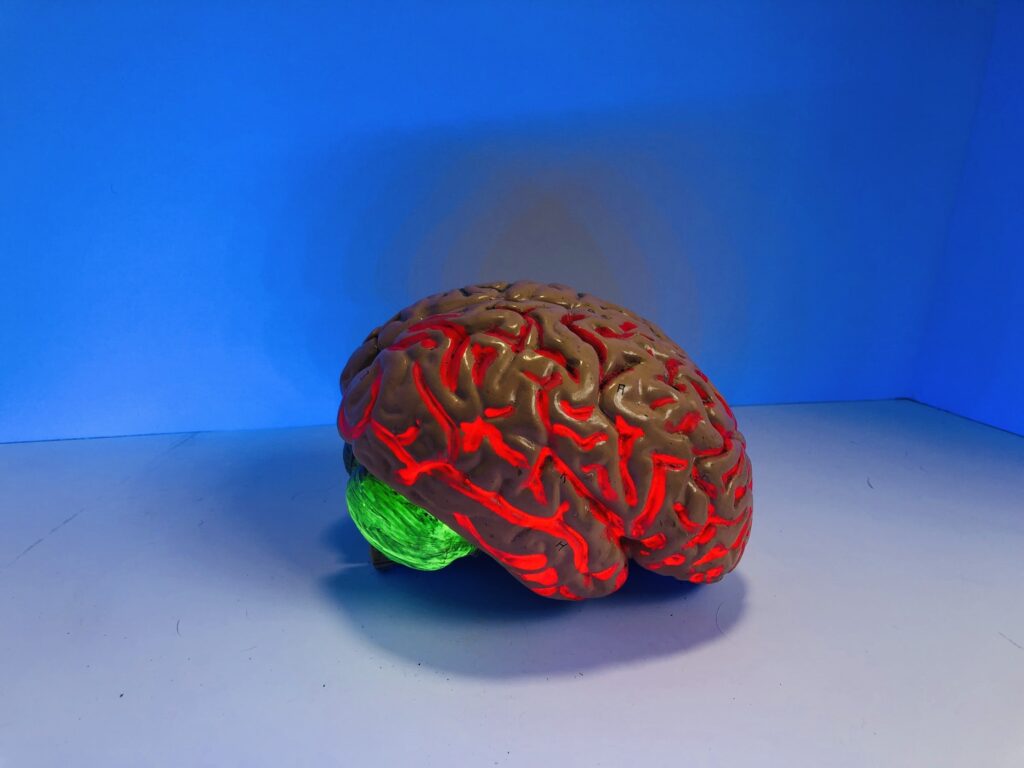
Why is evaluating the difference between cognitive function within specific chronic pain disorders important? Differing between pain types is important as executive functioning is crucial when performing goal-directed behavior and problem-solving, the two building blocks of cognition.
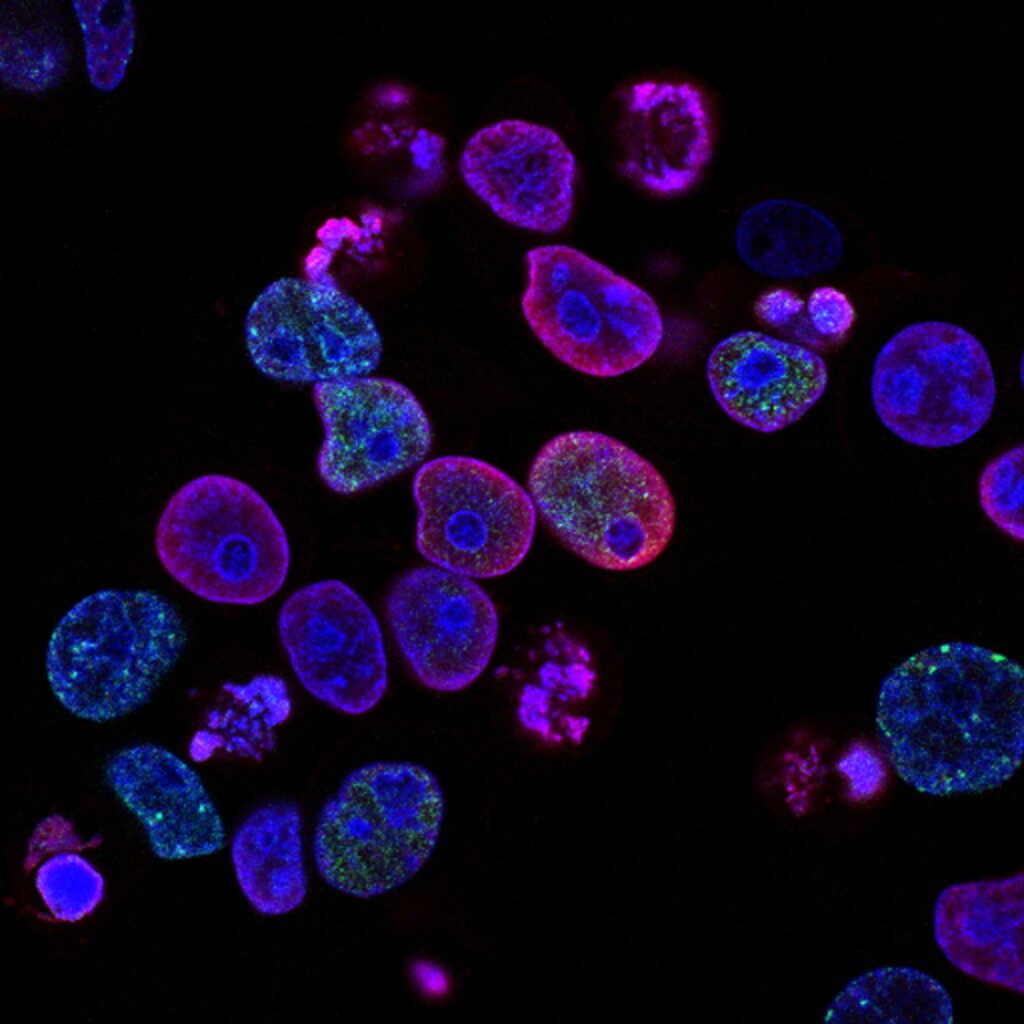
What if glia are responsible for what has been described as the “silent epidemic” of chronic pain?

It can be difficult to maintain your energy levels during the winter months. It’s important to keep up your motivation in winter. If you feel this is wavering, or your mental or emotional health may be suffering because of that, it’s important to speak with a counselor. Managing chronic pain is important year-round, but particularly difficult in the winter months. Hopefully applying a few of these tips will help you control the pain in the coldest weather.

If you live with chronic pain, you know how challenging it can be to perform simple chores and everyday functions. The thought of adding the holiday “stuff” too can be daunting. It can really put a damper on what could be a wonderful holiday season.

Chronic pain, or pain that lasts for more than 12 weeks, is common among the approximately 20 million veterans in the United States today. More than 50% of veterans receiving care at Veterans Health Administration (VHA) facilities across the country are affected by the condition. Here are a few stats you may not be aware of regarding veterans and the VA best practices for pain management.
BT interventions delivered by frontline clinicians to reduce pain impact and improve function among patients with chronic pain receiving long-term opioid treatment. And, though the effects were considered modest, they did persist after treatment through a final 12-month follow-up.

When using opioids for pain management, one may find that the pain is not fully going away. Perhaps the body will respond better to other forms of pain management, or perhaps the medications are becoming less effective with use over time. Using more of an opioid isn’t necessarily going to make you feel better or in less pain. Increasing a dose of opioids will sometimes only increase the side effects.
