ClickCease

Uncategorized

Chronic Pain
Chronic Pain, Uncategorized

Obesity and Chronic Pain

Many chronic conditions that cause pain are more common in people who are overweight or obese — arthritis, depression, fibromyalgia, hypertension, asthma, type 2 diabetes, and back pain. Because of this, the assumption is that being obese increases the likelihood of having multiple medical problems, and many of these conditions may cause pain. Obesity and pain often go hand in hand, even if the obese person is otherwise healthy.

Nerve Damage
Nerve Blocks, Uncategorized

Can nerve damage cause discoloration of the skin… and other “strange” reactions?

Neuropathic pain symptoms are just unpredictable, and vary significantly from person-to-person. Pain may be triggered by something specific. It can also occur without warning. And, in the case of a sudden impact, the area surrounding the trauma site may be affected, plus the immediate area.

And then there is the fact that some people have constant pain. Others experience pain as “on and off.”

Pain Treatment
Chronic Pain, Uncategorized

The Nervous System, Pain Messages, Pain Gates and Chronic Pain Signaling

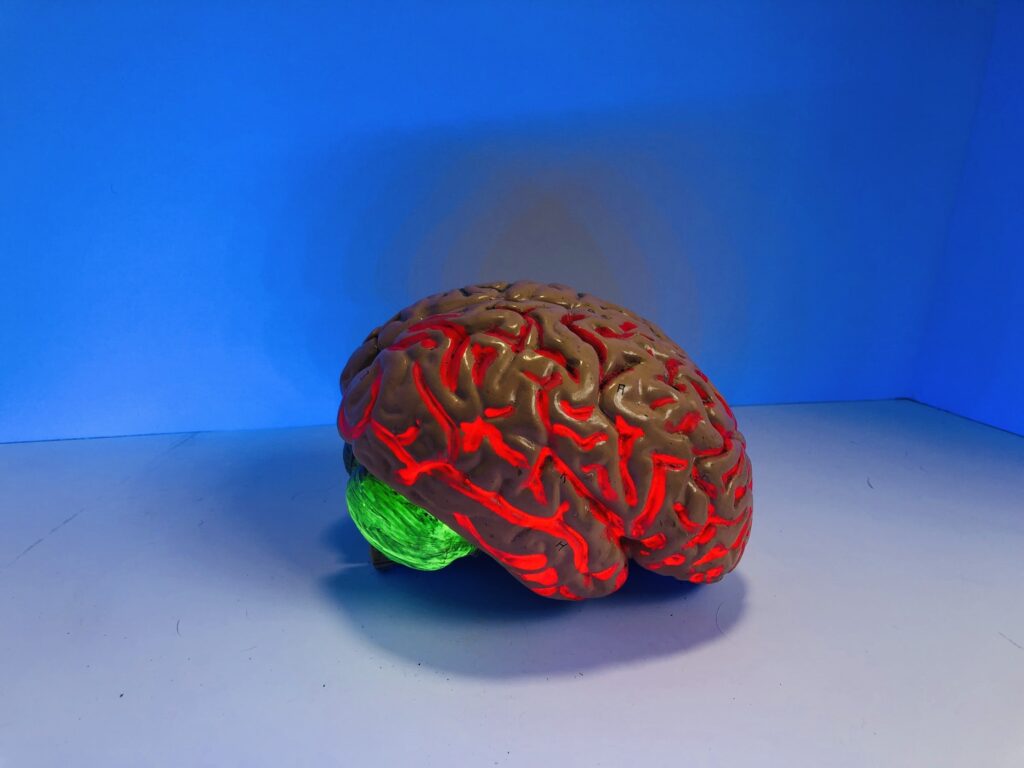
Pain messages travel along the peripheral nervous system until they reach the spinal cord. There is a theory that there are “gates” on the bundle of nerve fibers in the spinal cord between the peripheral nerves and the brain. These spinal nerve gates control the flow of pain messages from the peripheral nerves to the brain. The brain also controls pain messages by attaching meaning to the personal and social context in which the pain is experienced. Many factors determine how the spinal nerve gates will manage the pain signal. These factors include the intensity of the pain message, competition from other incoming nerve messages and signals from the brain telling the spinal cord to increase or decrease the priority of the pain signal. The meaning attached to the situation seems to be the important difference. In times of anxiety or stress, descending messages from the brain may actually amplify the pain signal at the nerve gate as it moves up the spinal cord. Alternatively, impulses from the brain can “close” the nerve gate, preventing the pain signal from reaching the brain and being experienced as pain.

Complex Regional Pain Syndrome
Complex Regional Pain Syndrome, Uncategorized

What Is Complex Regional Pain Syndrome (CRPS)?

Complex Regional Pain Syndrome (CRPS) is a painful and long-lasting condition. CRPS results in severe, constant, burning pain in the affected limb. As a physician, in the early stages of CRPS, we need to be very vigilant about pain, especially if the patient’s pain is disproportionate to the injury presented. Early intervention is key, to reduce pain and improve function, to helping control this disease

Scroll to Top