ClickCease

Author name: Chicago Institute For Neuropathic Pain

CINP
Chronic Pain

Mapping Chronic Pain

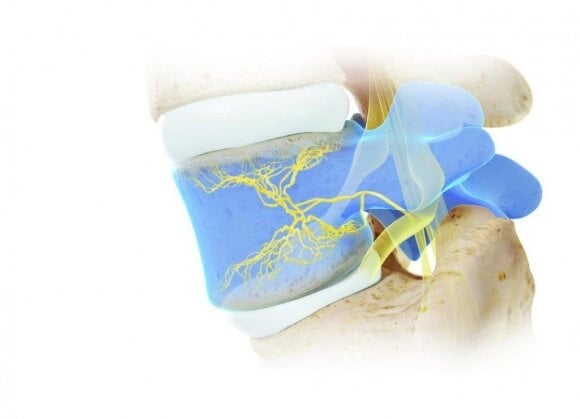
Fascinating new research on how pain gets from the affected area of the body to the brain. Countless interactions between nerves and other cells in the body create the sensory responses, including pain, that allow us to interact with the world. Researchers are cataloging the interactions, on the hunt for molecular reactions that result in the dysfunction of chronic pain.


Migraines Treatment
Migraines

Migraines: Acute or Chronic?

Migraines are different from other headaches. This is a neurological condition that can cause multiple symptoms, frequently characterized by intense, debilitating headaches. Symptoms may include nausea, vomiting, difficulty speaking, numbness or tingling, and sensitivity to light and sound. Migraines often run in families and affect all ages. The question is: when it comes to a migraine, what is acute versus what is chronic?

Pain Treatment
Chronic Pain

What is the Connection Between Pain Signals, Pain Gates, Chronic Pain and Emotion?

The brain controls pain messages by attaching meaning to the personal and social context in which the pain is experienced. The meaning attached to the situation seems to be the important difference. In times of anxiety or stress, descending messages from the brain may actually amplify the pain signal at the nerve gate as it moves up the spinal cord. What is the connection between chronic pain, pain signals and emotional response?

Pain Treatment
Chronic Pain, Uncategorized

The Nervous System, Pain Messages, Pain Gates and Chronic Pain Signaling

Pain messages travel along the peripheral nervous system until they reach the spinal cord. There is a theory that there are “gates” on the bundle of nerve fibers in the spinal cord between the peripheral nerves and the brain. These spinal nerve gates control the flow of pain messages from the peripheral nerves to the brain. The brain also controls pain messages by attaching meaning to the personal and social context in which the pain is experienced. Many factors determine how the spinal nerve gates will manage the pain signal. These factors include the intensity of the pain message, competition from other incoming nerve messages and signals from the brain telling the spinal cord to increase or decrease the priority of the pain signal. The meaning attached to the situation seems to be the important difference. In times of anxiety or stress, descending messages from the brain may actually amplify the pain signal at the nerve gate as it moves up the spinal cord. Alternatively, impulses from the brain can “close” the nerve gate, preventing the pain signal from reaching the brain and being experienced as pain.

Pain Treatment Chicago
Neuropathic Pain

Neuropathic Pain Goes Beyond the Nervous System to Affect the Physical Body

Pain caused by neuropathy is typically described in the following terms:

  • Severe, sharp, electric shock-like, shooting, lightning-like, or stabbing

  • Deep, burning, or cold

  • Persistent numbness, tingling, or weakness

  • Pain that travels along a path into the arms, hands, legs, or feet

Skin in the area of pain can be discolored, appearing more pink or red than usual. In some cases, the skin can even have a blue or mottled appearance. What are the other physical traits of neuropathic pain?

Scroll to Top