 6145 N Northwest Hwy

Happy New Year!
Happy new year, 2021!


Nausea is a particularly nasty symptom. Your stomach’s on a rollercoaster and you’re sure you’re going to throw up. It can occur as a precursor to vomiting, or on its own. But for someone with chronic pain, nausea can be part of everyday life. Vomiting is controlled by the autonomic nervous system (ANS) in our brains,. So nausea is basically controlled unconsciously and involuntarily. And, when you are in an extreme amount of pain, your nervous system lights up and your body starts to mobilize a pain response, on top of your existing chronic pain response.

Joint pain after an accident or injury is common. But, what if the pain doesn’t go away? Could it be chronic pain? Getting an injury from an accident or even while at work, is bad enough. To then suffer from joint pain that does not diminish can be even more challenging, especially when you want to get back to your pre-injury lifestyle. If you have joint pain, following an accident or injury, that is not going away, it is best to make an appointment with a pain specialist to get an assessment of the ongoing joint pain. Finding the right treatment for your pain could make all the difference in getting you back to life (and work)!

No matter what holiday you celebrate, this time of year can be a lot. There are elaborate dinners to prepare, parties to host and attend, presents to find, decorations to hang, families to visit, traditions to respect, and very little time for self-care. But chronic pain is, if anything, exacerbated by stress and busy schedules. Here are some tips.

Many of my patient appointments start with the usual — BP, temperature check, current medication list, pain scale rating, etc. — and the question, “How would you rate your stress level?” Many patients are caught off-guard by the question and ask me why I always want to know the level of their stress.

Complex Regional Pain Syndrome (CRPS) is a painful and long-lasting condition. CRPS results in severe, constant, burning pain in the affected limb. As a physician, in the early stages of CRPS, we need to be very vigilant about pain, especially if the patient’s pain is disproportionate to the injury presented. Early intervention is key, to reduce pain and improve function, to helping control this disease

Dorsal root ganglion (DRG) stimulation is an outpatient neuromodulation therapy, similar to traditional spinal cord (SCS) stimulation. Rather than placing the electrode leads within the lower part of the spinal cord as in SCS, DRG leads are implanted on the dorsal root ganglion, a cluster of neurons mid-spine, in the rear root of the spinal nerves.
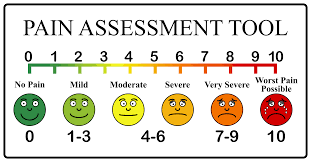
Presenting a full picture of your pain, helps your doctor more quickly devise a treatment plan and recommend possible procedures that could help alleviate your discomfort.

With October dedicated to Breast Cancer Awareness, many people ask, “Is there a link between cancer treatment and chronic pain?” and “Is it possible I will have chronic pain following my cancer treatment?”

Today is World Mental Health Day. It is the perfect time to talk about how having chronic pain can affect every aspect of your life, including mental health. Most times, physicians and patients are so focused on alleviating physical issues that they miss the need to address the psychological effects of chronic pain.
